Ia ora na, Manava e Maeva
Hello, and welcome.
Three words you’ll hear everywhere in French Polynesia. Three words that, on their own, already reveal something about these islands, where hospitality is not just a courtesy, but a way of life.
Discovering Mana in the Marquesas Islands
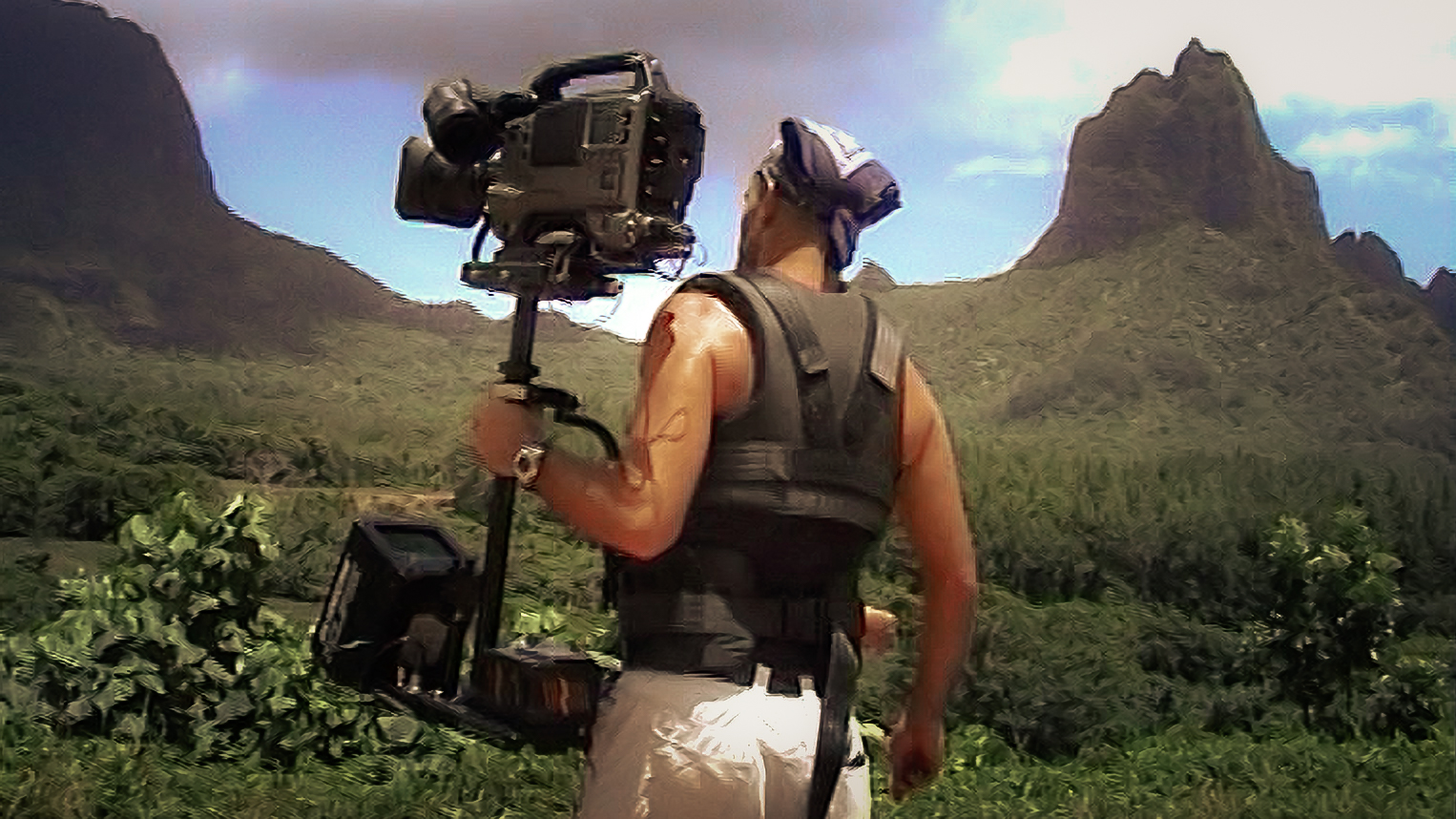
I lived in French Polynesia for fifteen years. Yet if I had to tell its story, I wouldn’t begin with a photograph. I would begin with a single word.
Just one.
Mana.
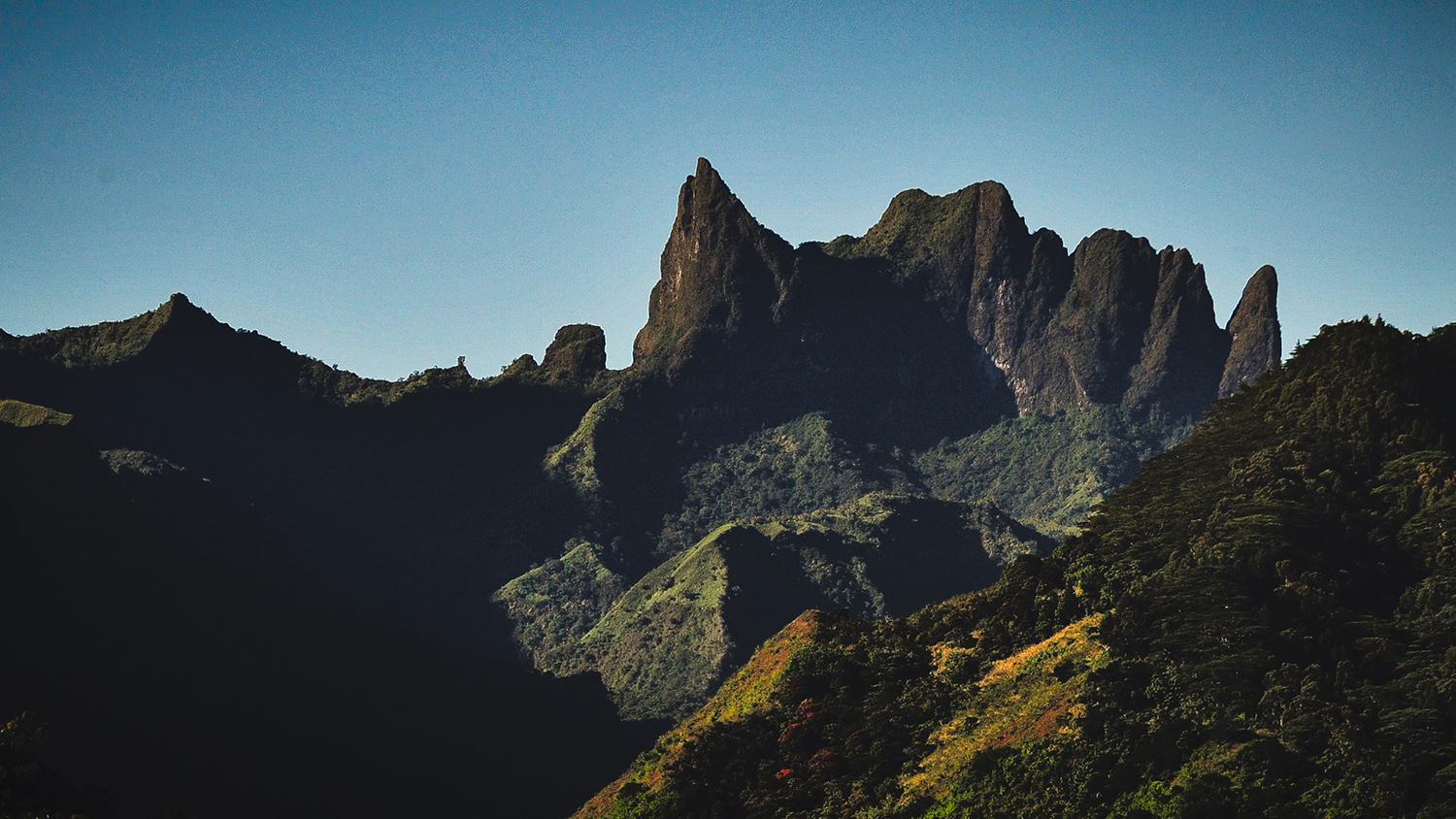
It had already been nearly two years since I had moved to French Polynesia when I travelled to the Marquesas to film a documentary for a local hotel group.
I had arrived in the Fenua in 1997 to complete my military service, and until then I had had very few opportunities to immerse myself in Polynesian culture.
A Marquesan guide was accompanying me. He had an imposing build, long hair, and a melodic accent that rolled every “r” with an ease I could never imitate. He seemed to carry the history of his island within him.
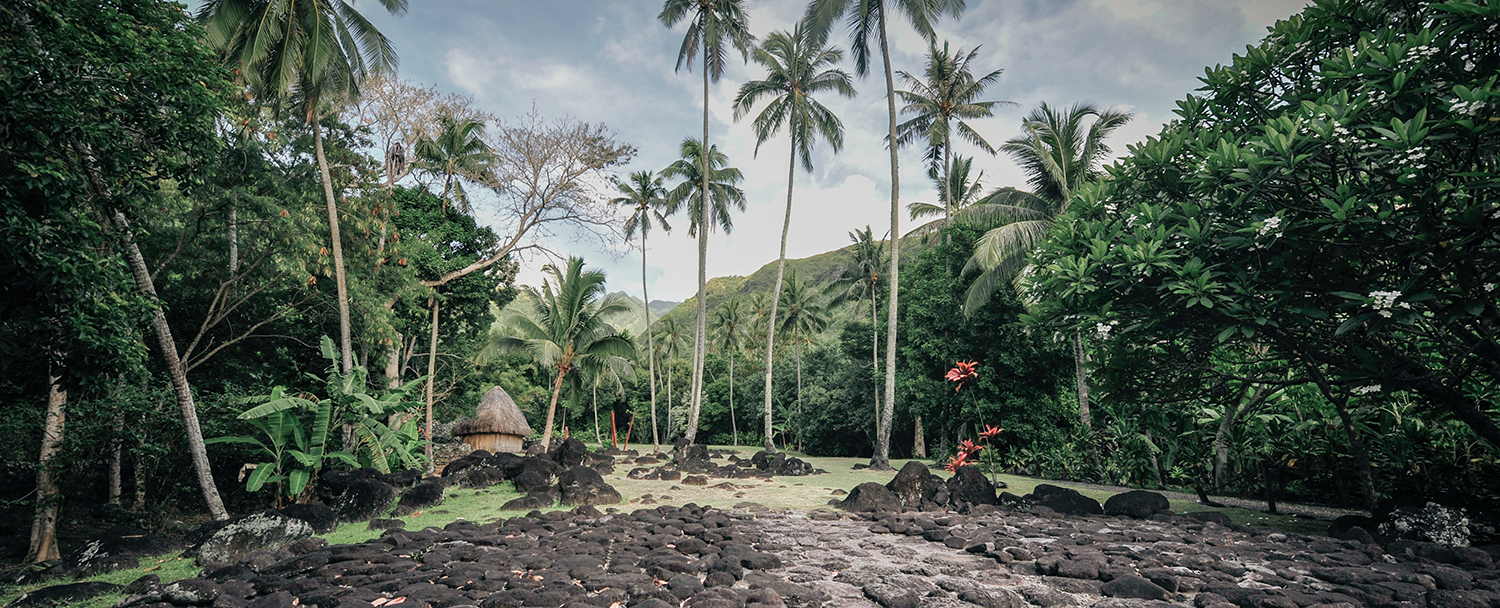
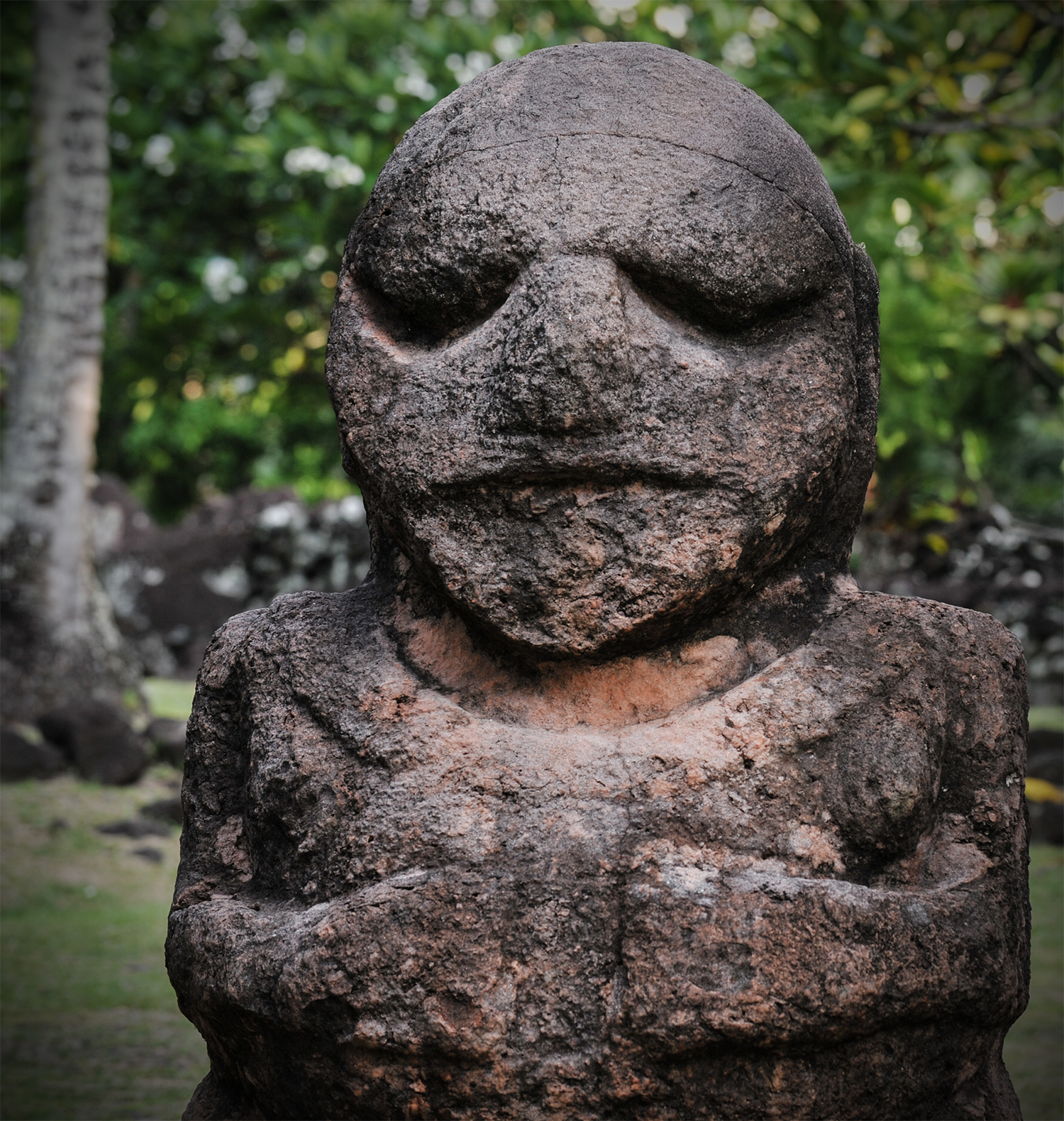
He led me to an ancient sacred site. Centuries-old stone tiki, petroglyphs, dense vegetation, and that peculiar silence that can only be found in certain places.
He stopped.
— Can you feel the mana here?
(In French Polynesia, almost everyone addresses each other informally.)
I looked at him, slightly puzzled.
— The what?
That was the day I heard the word for the very first time.
ROADBOOK:
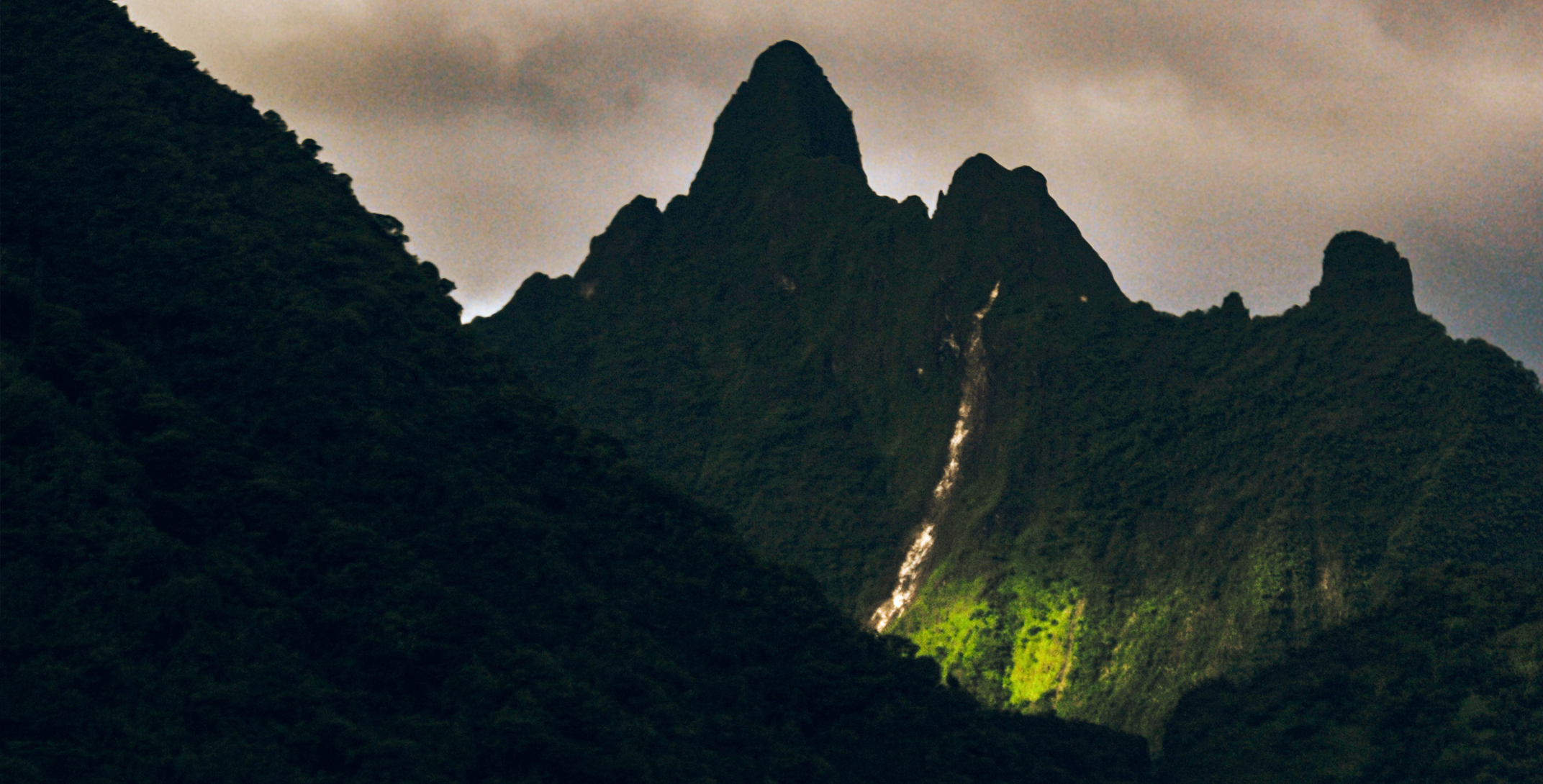
The Marquesas are among the most remote archipelagos on Earth. Located more than 1,400 km (870 miles) from Tahiti, they have preserved a culture and traditions that remain distinctly different from those of the Society Islands.
Polynesian Mana
The guide explained that mana was neither a religion nor a belief in the way I understood those words. It was a presence. An invisible force that could inhabit a place, a person, an object, or even a single moment.
I listened, without really understanding.
To be honest, I even found the whole idea a little abstract.
It took me years to realize that the guide wasn’t trying to teach me a new word.
He was trying to make me feel something.
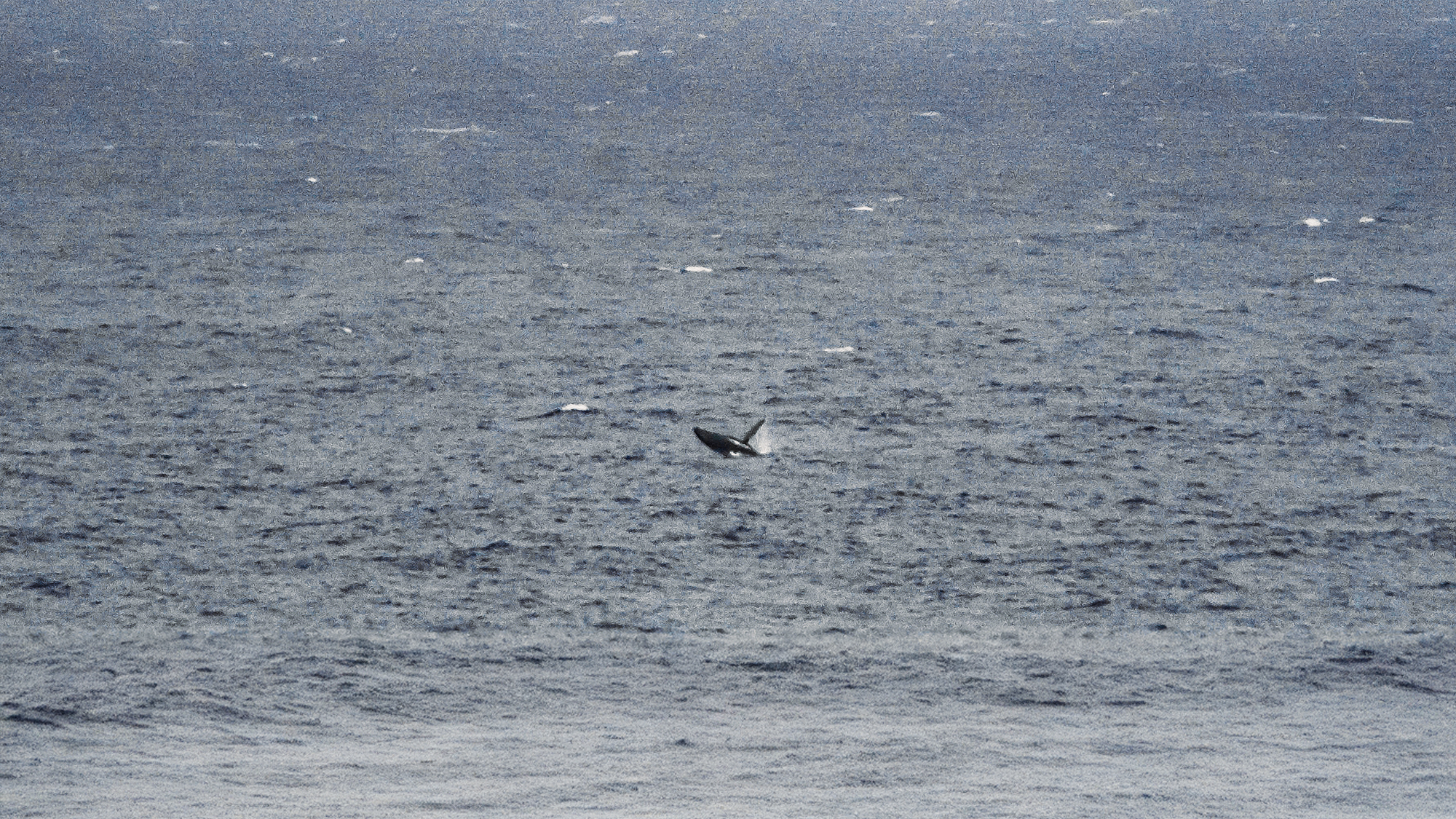
And perhaps that’s what I try to convey through my images today.
I no longer photograph a place or a person simply because they catch the eye. Beautiful light or breathtaking scenery are no longer enough. I try to capture what I felt the moment I pressed the shutter. That invisible emotion that makes one place resonate more deeply than another.
Perhaps, in the end, that is my own way of searching for mana.
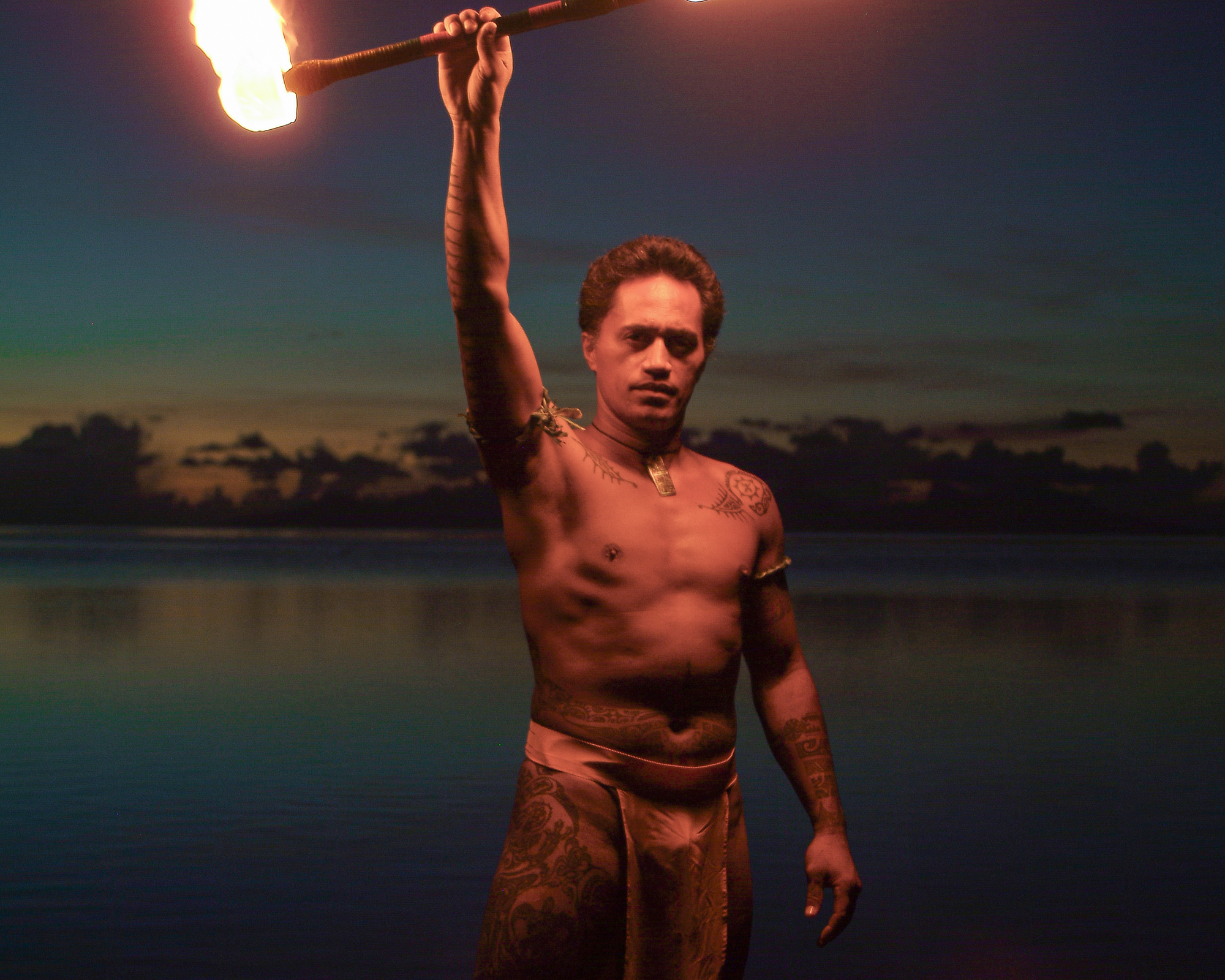
CULTURE:
In French Polynesia, the word mana is far more than a legend. It is part of everyday language and appears in many first names, including Raimana, Vaimana, Manahei, Mananui and Heremana.
More than just a word, it is a reminder that this invisible force remains deeply woven into Polynesian identity.
The Other Mana
That word never left me.
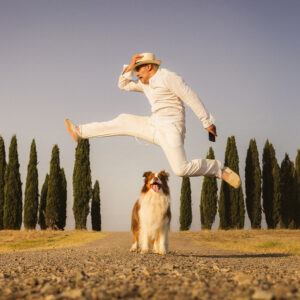
Then, in 2021, when a little Australian Shepherd came into my life, his name felt like the only possible choice.
Mana.
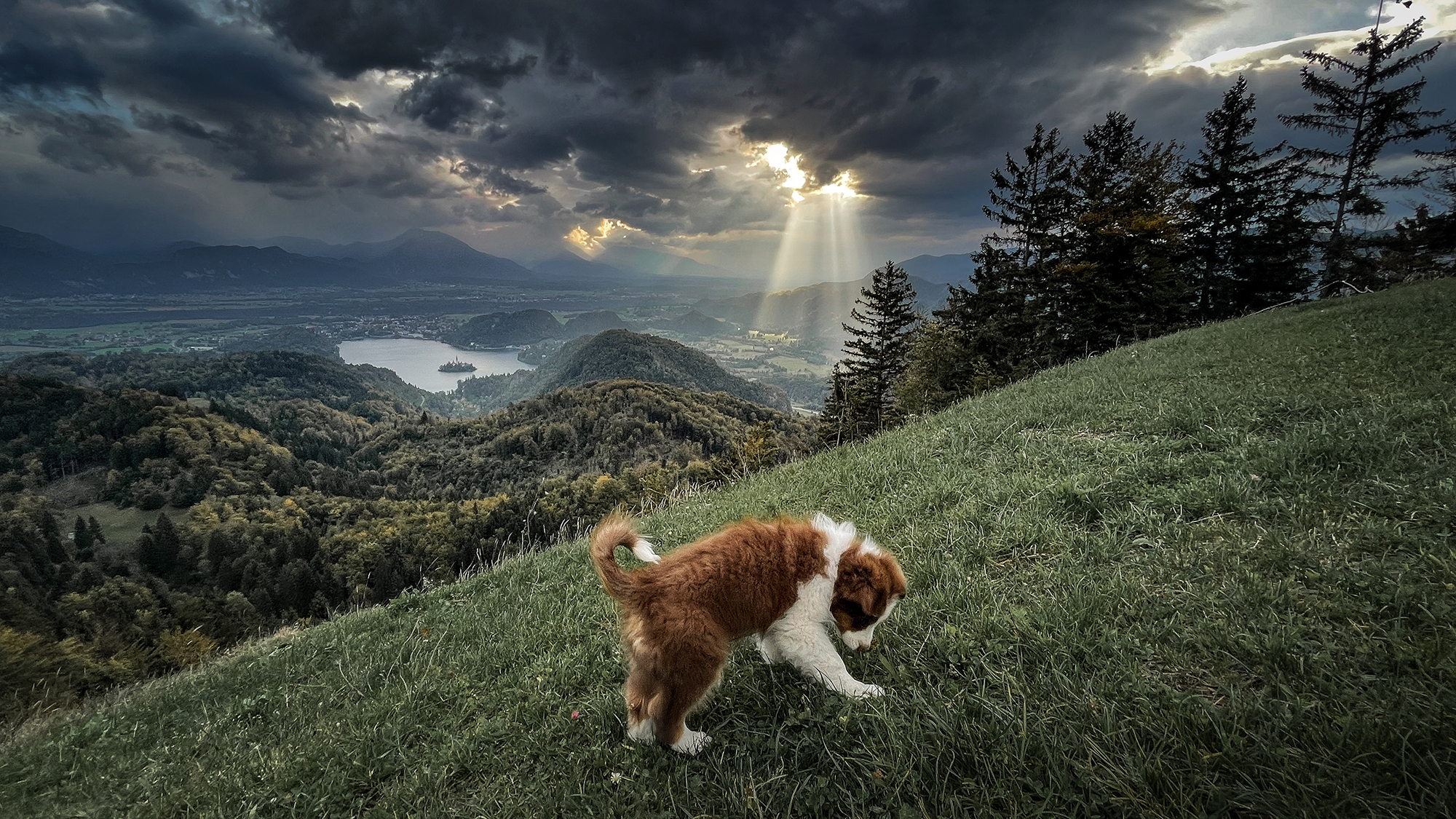
Not simply as a reminder of French Polynesia, but because that word already embodied what I had been searching for all along: that invisible presence that gives a soul to a place, an encounter, or a moment.
Where Mana Is...
When I created this project, the name felt just as obvious.
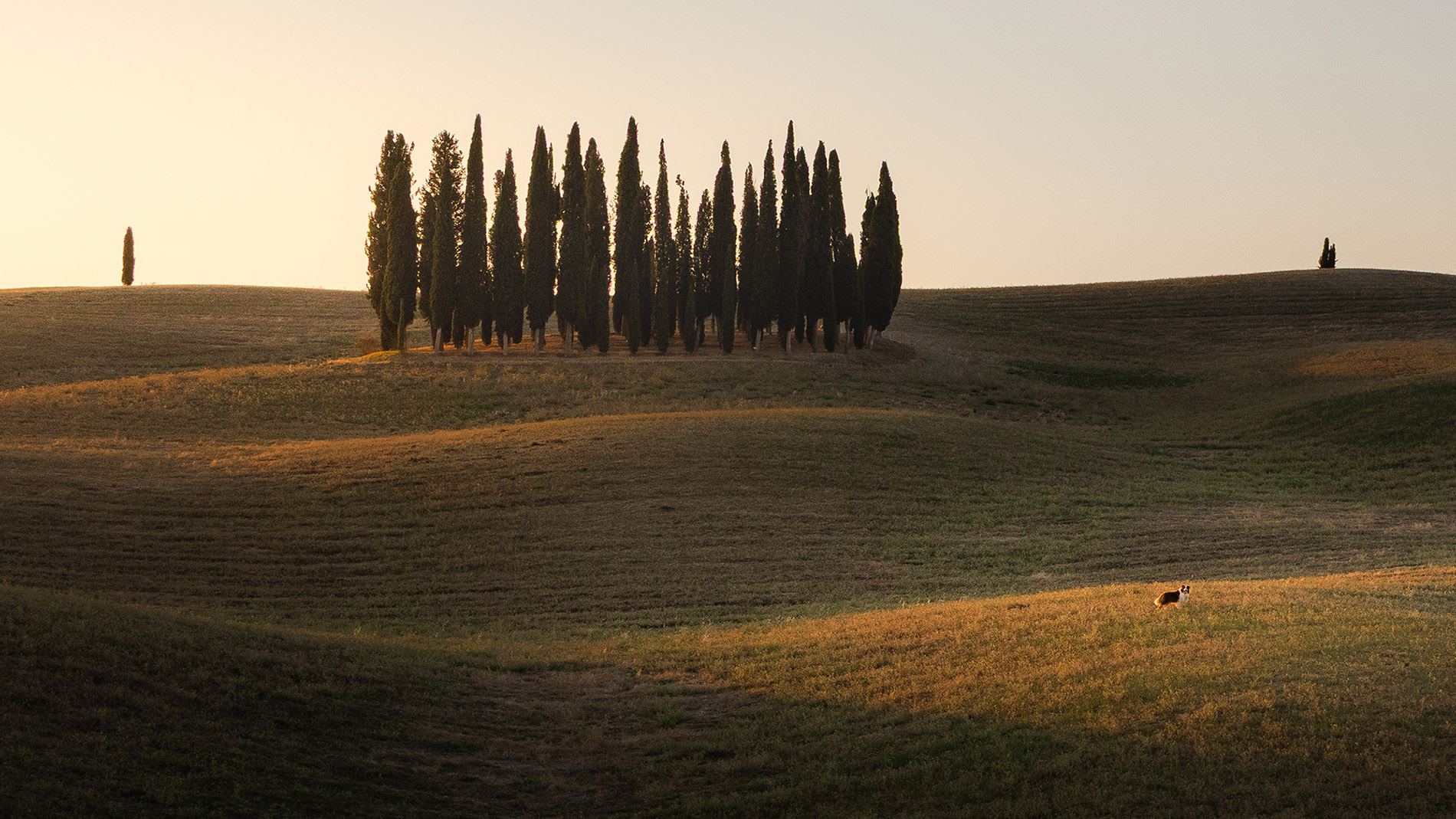
Because my journeys are not about collecting destinations. They are a search for those rare places that can move us, change us, or simply make us feel something unique.
And perhaps, deep down, behind this search for mana, there is another one, more personal: the search to better understand who I am.
Places That Left a Mark on Me…
Places That Left a Mark on Me…
Where Mana Is
Visual artist and traveler.
In search of places that radiate a unique kind of magic.
Some call it mana.